
Industrial Equipment Manufacturing
Challenge in the Industrial Equipment Manufacturing Sector
Industrial equipment manufacturers juggle operational efficiency, production quality and resource management every day, and most are trying to do it with tools that were never meant to speak to each other. sedApta Suite brings planning and execution together on one backbone, so the decisions made in S&OP actually reach the shop floor intact.
A sector being rewired by AI, IoT and cloud-native operations
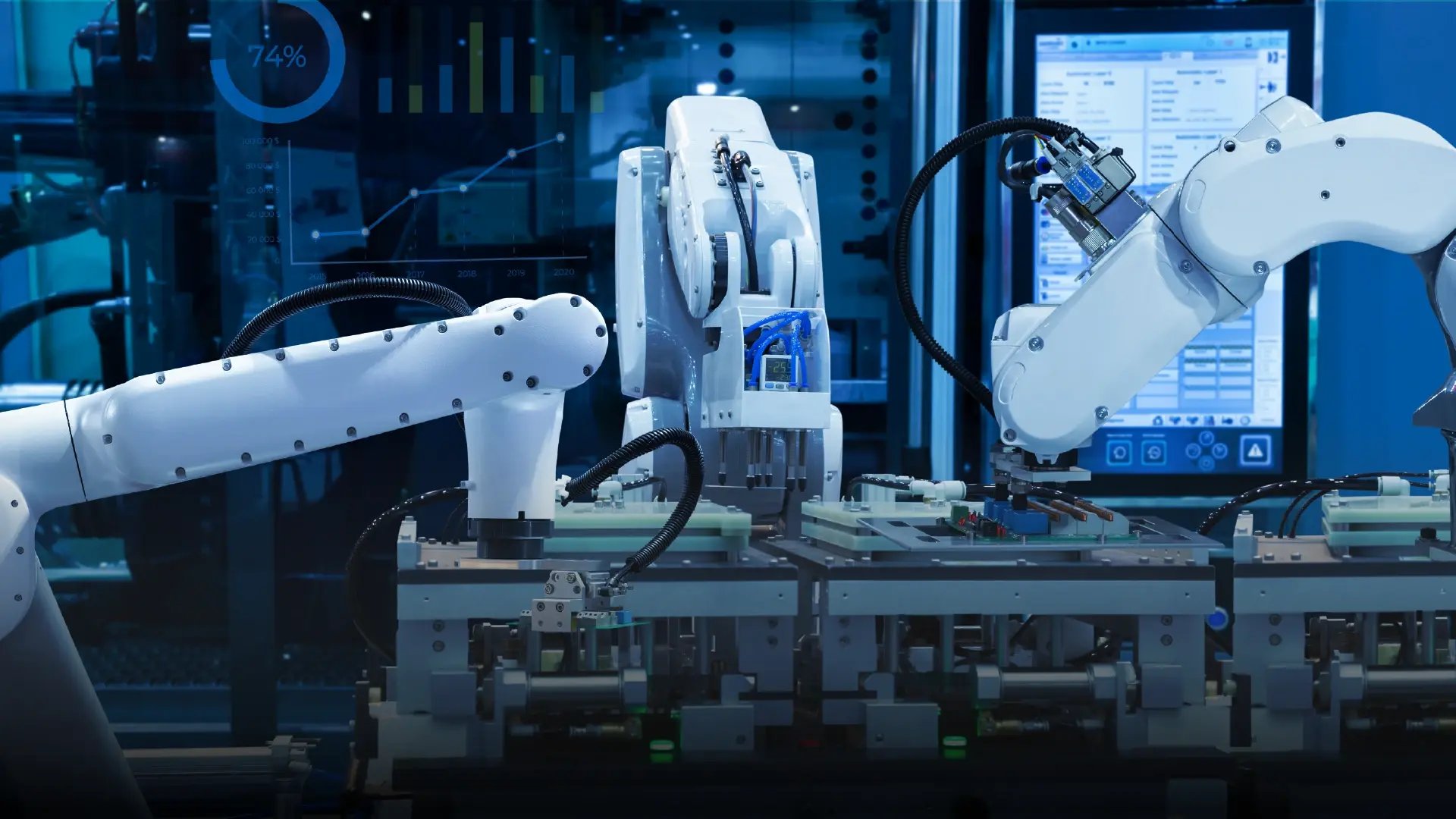
Industrial equipment manufacturing is being rewritten by digital technology. Artificial intelligence, the Internet of Things and predictive maintenance are changing how products are built, because intelligent machines now talk to each other, which cuts downtime and lifts product quality at the same time. Cloud-native platforms then sit on top of that, enabling agile, customised management and opening up service-led business models that put customer satisfaction at the centre. In practice, the same shift that cuts cost creates entirely new routes to value.
Five disciplines that decide IEM competitiveness
Growth and competitiveness in the Industrial Equipment Manufacturing sector depend on several strategic and operational factors. The most important include:
-
The use of statistical, collaborative, and externally driven models helps companies improve the accuracy of sales forecasts, optimizing planning and reducing market uncertainties.
-
Strategic use of artificial intelligence and analytics makes it possible to anticipate market needs, optimize resource use, and make data-driven decisions that enhance competitiveness.
-
Investing in research and development is essential for responding quickly to customer needs, improving product quality, and accelerating time to market.
-
The use of advanced production scheduling tools allows companies to enhance machine performance, reduce setup times, and deliver a high level of service to customers.
-
The use of MES systems to monitor production progress, machine performance, energy consumption, traceability, and product quality ensures efficiency and control, leading to increased overall productivity.
By carefully managing these factors, companies can strengthen their market position, improve production quality, and reduce operating costs.
How sedApta Suite fits an IEM operation

.webp?width=4096&height=2734&name=health%26safety%20(5).webp)
What IEM customers gain when planning and execution finally align
The gains fall into three groups. On the bottom line, integrated and optimised planning lifts profitability while efficient resource management cuts operating cost, inventory and waste. On the operating side, continuous monitoring and timely interventions keep quality high, visibility and control stretch across the whole production chain, and the business reacts faster when demand shifts. And on the commercial side, suppliers and partners collaborate effectively even across distributed sites, forecasting and analysis back every decision with real data, delivery times shorten, and the whole operation can scale up or down without a costly rebuild. Ten measurable wins - and each one reinforces the next.
Trusted by industrial equipment manufacturers